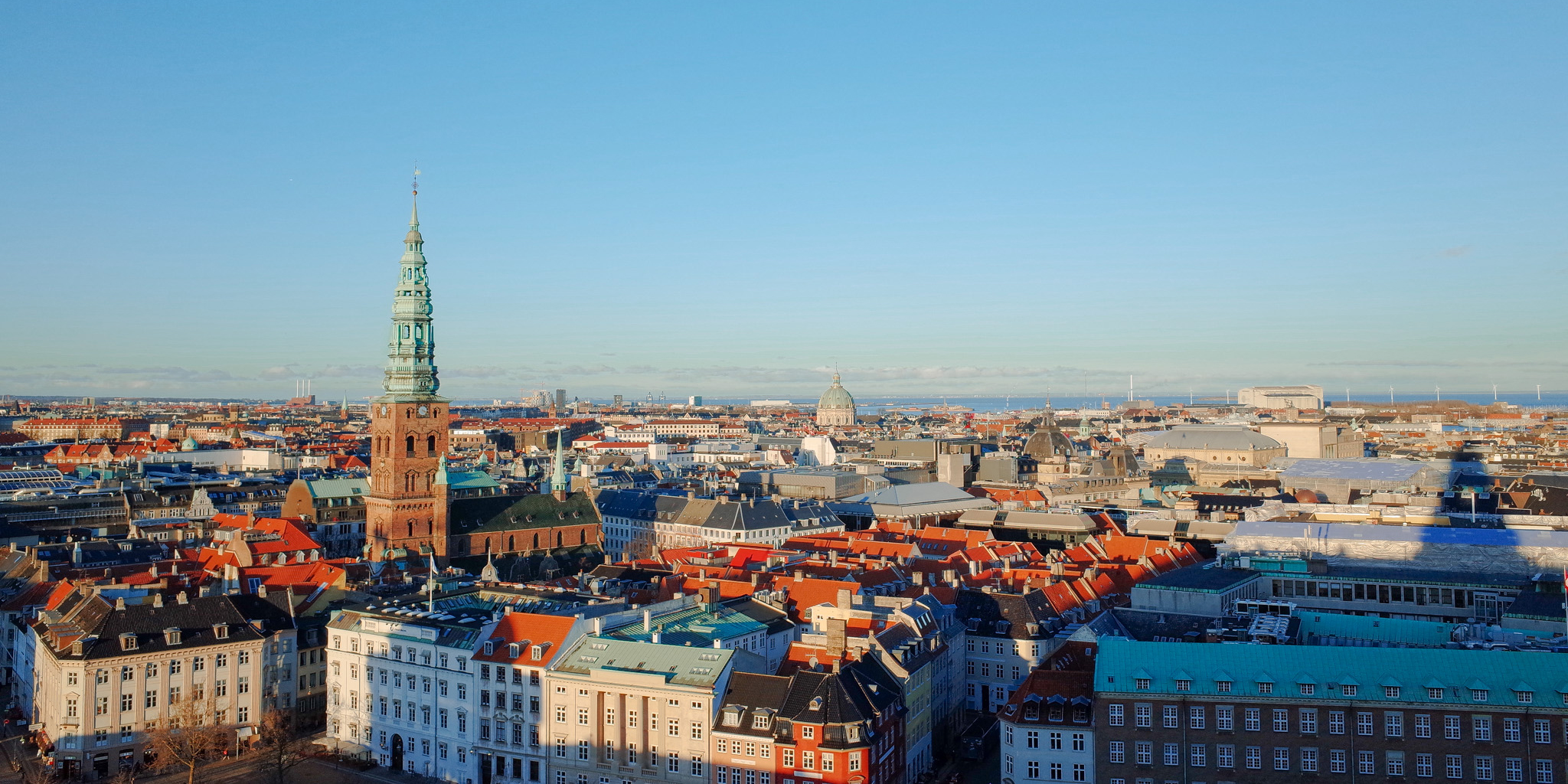
When you think of Copenhagen, images might spring to mind of Hans Christian Andersen’s fairytales, a colorful harbor, or world-renowned minimalist design. But the city’s true magic lies in its unique Danish philosophy of happiness: “Hygge.”
Pronounced ‘hoo-ga,’ Hygge is a state of coziness, comfort, and contentment. In Copenhagen, this slow-paced, high-quality way of life permeates every corner. While it lacks the grandeur of Paris or the rush of New York, its distinct Scandinavian charm and high quality of life make it a European capital where you simply must pause and savor the experience.
1. Essential Landmarks: Where Fairytale Meets History
Copenhagen’s core attractions are centralized, making the city perfect for exploring by foot or bike.
The Colorful Postcard: Nyhavn
Nyhavn (New Harbour) is undoubtedly Copenhagen’s most photogenic spot. Its canal is lined with brightly colored, staggered 17th-century townhouses reflecting in the water—it looks exactly like a painting.
This was once a bustling commercial port and the long-time home of author Hans Christian Andersen. Grab a coffee, sit canalside, and feel the sun on your face; you’ll instantly grasp the essence of Hygge.
The Iconic, Yet Humble: The Little Mermaid (Den Lille Havfrue)
A seaside stroll will lead you to this famous sculpture. The Little Mermaid is the symbol of Copenhagen and a world-famous fairytale figure. While she may be smaller than many tourists expect, the spirit of bravery and sacrifice she represents, and her connection to the city’s mythical past, makes her an unmissable stop.
The Source of Joy: Tivoli Gardens
Tivoli Gardens is far more than an amusement park; it’s a historic cultural landmark. Opened in 1843, it is one of the world’s oldest operating amusement parks.
Whether you visit during the day to admire its classical garden beauty, or at night when it’s illuminated by thousands of magical lights, Tivoli is enchanting. I highly recommend entering in the late afternoon to experience the old wooden roller coaster and enjoy the light shows and music performances after dark.
2. Lifestyle Immersion: Design, Cycling, and the Hygge Philosophy
The soul of Copenhagen isn’t in its sights; it’s in its way of life.
Life on Two Wheels
In Copenhagen, the bicycle holds a higher status than the car. With its exceptional network of dedicated cycle paths, the city is truly the “Cycling Capital of the World.”
My advice is simple: Rent a bike! Exploring the streets and neighborhoods like a local on two wheels is the most authentic and liberating way to see the city.
A Mecca for Design Lovers
Danish design is celebrated for its functionality, minimalism, and timeless aesthetic. From the streetlights to the subway signs, every detail showcases the city’s design prowess.
If you love design, be sure to wander the side streets around the Strøget shopping district, where you’ll find boutique furniture stores and design studios—the perfect place to bring back a piece of Nordic Hygge living inspiration.
How to “Hygge” Like a Dane
Hygge is an atmosphere. To experience it, you should:
- Embrace Candles and Blankets: Many cafés and bars light candles to create a warm, inviting glow.
- Slow Down: Find a cozy corner café, order a hot drink, and simply observe the people outside without rushing.
- Share Warmth: Hygge is often social. Enjoying a simple dinner or a board game with friends is the best way to share a Hygge moment.

3. Social Development: Sustainable Happiness and High Quality of Life
Copenhagen consistently ranks among the happiest cities in the world. This is not accidental but a direct result of its long-term commitment to social equality and sustainable development, which visitors can tangibly feel.
Global Leader in Sustainability
Copenhagen is actively working toward becoming the world’s first carbon-neutral capital by 2025. This environmental consciousness is evident everywhere:
- Clean Harbors: You’ll see citizens swimming in the Harbor Baths right in the city center. The water quality is clean enough for swimming, a modern miracle of efficient urban water management.
- Green Innovation: The famous CopenHill (Amager Bakke) is a waste-to-energy plant with a ski slope and hiking trail on its roof, perfectly demonstrating the functional, environmentally friendly urban integration.
High Trust and Quality of Life
Denmark’s high social welfare system and excellent public services lead to an extremely high level of social trust. As a tourist, you will notice the remarkable sense of safety: it’s common to see parents leaving their sleeping babies in strollers outside cafés to enjoy fresh air while they sit inside. This deep societal trust is a core ingredient of the Hygge atmosphere.
Innovative Urban Planning
Copenhagen’s urban development is inherently human-centered. It skillfully blends historic quarters with bold, functional modern architecture (like the Black Diamond Library) while ensuring that the city remains highly livable and easily navigable thanks to its efficient public transport and bike network.
4. Practical Tips for Visitors
Your Best Friend: The Copenhagen Card
If you plan to visit multiple attractions (museums, castles, and Tivoli) and use public transport frequently, buying the Copenhagen Card is a smart investment. It covers most entry fees and all regional public transportation.
Must-Try Food: Open-Faced Sandwiches (Smørrebrød)
This is the Danish national dish. Not your average sandwich, Smørrebrød consists of a slice of rye bread topped with carefully arranged ingredients like pickled herring, roast beef, or fresh shrimp. Each piece is a tiny work of art and a perfect lunch option. And, of course, don’t forget the traditional Danish Pastry!
Best Time to Visit
- Summer (June to August): The weather is pleasantly warm, and days are incredibly long (it stays light until nearly 10 PM), making all outdoor activities and parks vibrant.
- Winter (November to December): While cold, the city transforms with a strong Christmas atmosphere, and the Christmas markets at Tivoli Gardens are especially magical.
Conclusion
Copenhagen is a city that blends history, future, and heart. It teaches you that life’s greatest joy isn’t found in speed but in quality and warmth. That warmth, and the high-quality living, is the greatest return on its sustainable social development.
So, for your next trip, give yourself a few days to visit Copenhagen, and like the Danes, hop on a bike, embrace the Hygge, and savor that simple, beautiful happiness.




Leave a Reply